

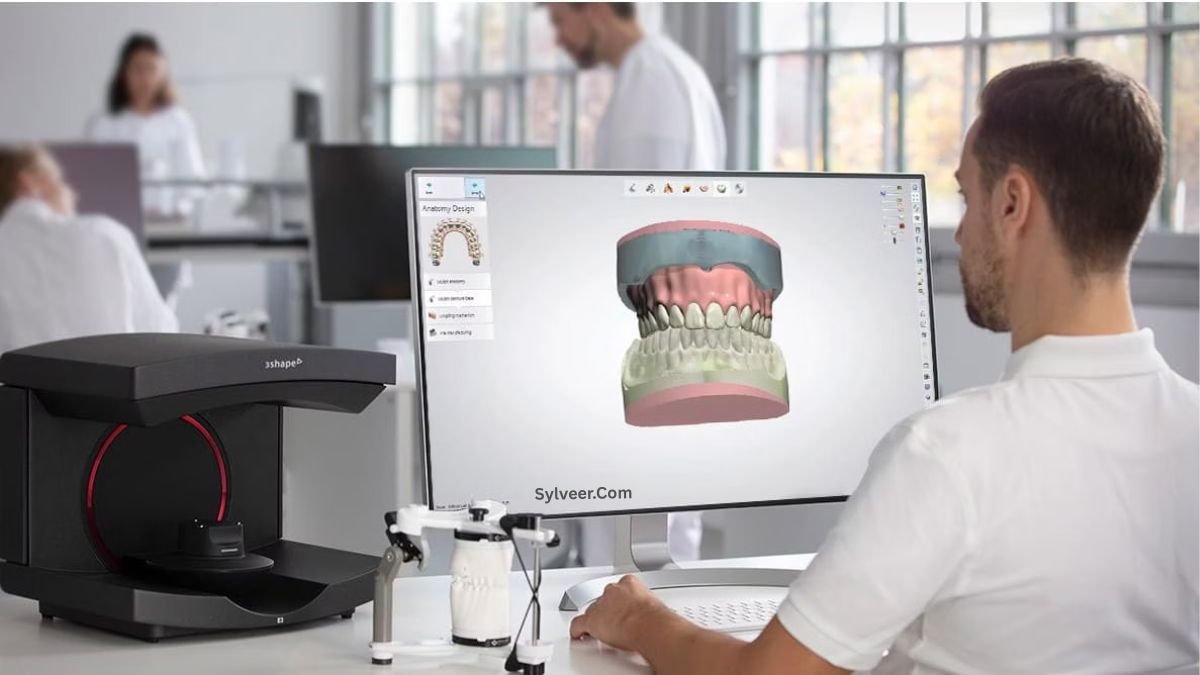
The field of dentistry is constantly evolving, with new technologies emerging to improve patient care and treatment outcomes. One of the most significant advancements in recent years is the integration of computer-aided design (CAD) and computer-aided manufacturing (CAM) technology. This innovation has revolutionized cosmetic dentistry, offering unparalleled precision, speed, and quality for dental restorations.
What is CAD/CAM Technology?
CAD/CAM technology combines sophisticated software with robotic manufacturing to create custom dental restorations. Think of it as a high-tech, digital workflow for dentistry.
- Computer-Aided Design (CAD): This involves using specialized software to design virtual 3D models of dental restorations, such as crowns, bridges, and veneers. Dentists can create highly accurate designs based on a digital scan of a patient’s mouth, ensuring a perfect fit and natural appearance.
- Computer-Aided Manufacturing (CAM): Once the design is finalized, the CAM component takes over. This system uses the digital blueprint to mill the physical restoration from a solid block of ceramic or composite material. An in-office milling machine carves out the custom piece with remarkable precision.
This digital process replaces the traditional method of taking physical impressions with putty, creating plaster models, and manually fabricating restorations in a lab. The result is a more efficient, accurate, and comfortable experience for the patient.
The Benefits of CAD/CAM in Cosmetic Dentistry
The shift to CAD/CAM technology brings a host of advantages for both dentists and patients seeking cosmetic enhancements.
Unmatched Precision and Fit
Digital scans capture the intricate details of a patient’s teeth and gums far more accurately than traditional impression materials. This level of detail allows dentists to design restorations that fit perfectly, minimizing the need for adjustments and ensuring a seamless, comfortable feel.
Single-Visit Treatments
One of the most celebrated benefits of in-office CAD/CAM systems is the ability to complete restorations in a single appointment. Patients no longer need to wear temporary crowns or veneers for weeks while an outside lab creates the permanent ones. A procedure that once required multiple visits can now often be finished in just a couple of hours.
Enhanced Aesthetics
CAD/CAM technology utilizes high-quality, tooth-colored ceramic blocks that can be matched to the exact shade of a patient’s natural teeth. The precision milling process creates restorations with a lifelike translucency and appearance, making them virtually indistinguishable from real teeth. This is especially crucial for procedures like getting veneers in Wasilla, where achieving a natural look is paramount.
Improved Patient Comfort
Say goodbye to goopy, unpleasant impression trays. Digital scanning is a quick, clean, and comfortable process that involves waving a small wand-like camera inside the mouth. This is a significant improvement for patients, particularly those with a strong gag reflex.
The CAD/CAM Process Explained
While the technology is complex, the patient experience is remarkably straightforward. Here’s a step-by-step look at what happens during a typical CAD/CAM restoration procedure.
- Tooth Preparation: First, the dentist prepares the tooth that will receive the restoration. This may involve removing any decay or reshaping the tooth to ensure the crown or veneer will fit properly.
- Digital Scanning: Next, an intraoral scanner is used to create a 3D digital impression of the prepared tooth and surrounding area. This process is fast, radiation-free, and provides an incredibly detailed image for the design phase.
- Digital Design (CAD): The digital impression is loaded into the CAD software. Here, the dentist designs the custom restoration on-screen, meticulously shaping it to match the patient’s bite and complement their smile. They can adjust the size, shape, and position to achieve the perfect aesthetic outcome.
- Milling the Restoration (CAM): Once the design is finalized, the data is sent to the in-office milling machine. The machine selects a block of ceramic material that matches the patient’s tooth color and carves the restoration according to the digital specifications. This process typically takes less than 20 minutes.
- Final Placement: After milling, the dentist checks the restoration for fit and color. They may add custom stains or glazes to enhance its natural appearance before it’s polished and bonded securely to the tooth. The patient leaves the office with a permanent, beautiful restoration in place.
Applications in Cosmetic Dentistry
CAD/CAM technology is versatile and can be used for a wide range of cosmetic and restorative procedures.
- Crowns: Dental crowns are one of the most common applications. CAD/CAM allows for the creation of strong, durable, and aesthetically pleasing crowns in a single visit.
- Veneers: For patients looking to improve the appearance of their front teeth, CAD/CAM-fabricated porcelain veneers offer a quick and precise solution for correcting chips, stains, or gaps.
- Inlays and Onlays: These restorations are used to repair larger cavities and are a more conservative alternative to full crowns. CAD/CAM technology produces inlays and onlays that fit with exceptional accuracy.
- Bridges: CAD/CAM is also used to create dental bridges to replace one or more missing teeth, restoring both function and appearance.
Future Trends and Developments
The field of CAD/CAM dentistry is not standing still. The technology continues to advance, with ongoing improvements in software, materials, and milling capabilities. Future trends include even faster scanning and milling times, a wider range of restorative materials, and greater integration of AI to assist in treatment planning and design. As the technology becomes more accessible, single-visit cosmetic dentistry will likely become the standard of care across the industry.
Conclusion
CAD/CAM technology has revolutionized cosmetic dentistry by combining digital precision with artistic design. It enables dentists to create durable, natural-looking restorations in a single appointment, offering patients greater efficiency and comfort.
 Daniel Carter